Rehabilitation Care
Rehabilitation Care
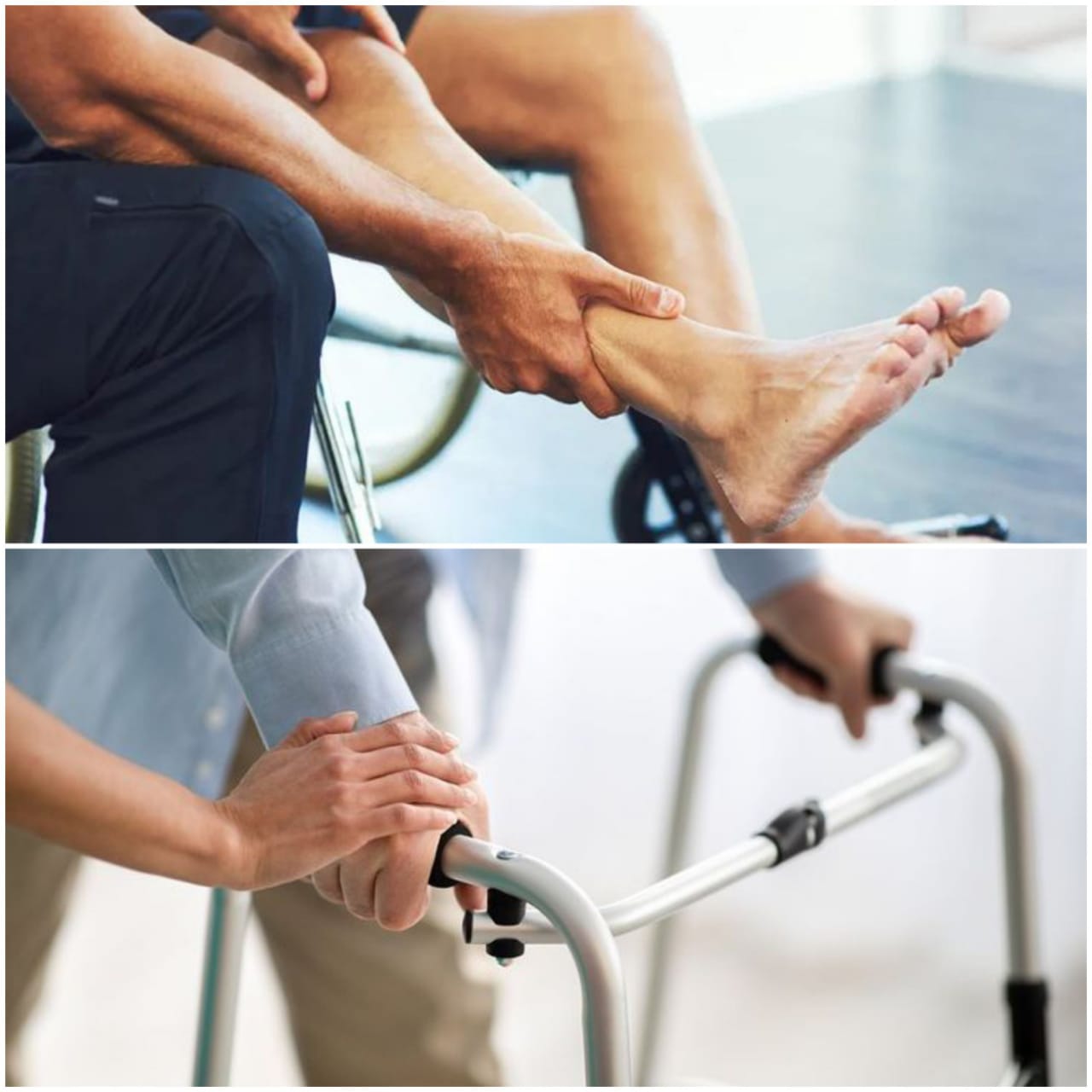
Physiotherapy is a cornerstone of holistic rehabilitation. Orthopaedic Rehabilitation in Physiotherapy is a critical component of recovery after orthopaedic surgeries such as joint replacements, fracture fixations, ligament reconstructions, or spinal surgeries. By integrating movement science, manual therapy, and individualized care plans, physiotherapists help patients return to their daily lives with improved function, reduced pain, and greater independence.
Objectives of post-operative rehabilitation
-
Pain and inflammation control.
-
Restoration of joint mobility and muscle strength.
-
Prevention of post-operative complications (e.g., DVT, joint stiffness).
-
Improvement in functional independence.
-
Return to daily activities, work, or sports.
Role of the physiotherapist
-
Assess and design individualized programs.
-
Monitor healing and progress.
-
Modify exercises based on pain, swelling, or complications.
-
Communicate with the surgical team for optimal outcomes.
-
Common Orthopaedic Surgeries and Rehab Considerations.
Surgery - key rehab focus
-
Total Knee Replacement: Early mobilization, quadriceps strengthening, gait training.
-
Total Hip Replacement: Hip precautions, gait training.
-
ACL/MCL Reconstruction: Controlled loading, proprioception, sport-specific.
-
Rotator Cuff Repair: Gradual ROM, strengthening, avoid early resistance.
-
Spinal Fusion/Discectomy: Posture, core stability, avoid heavy lifting.
-
Fracture Fixation: Gradual ROM, prevent joint stiffness, muscle strength.
Conclusion
Post-operative orthopaedic rehabilitation in physiotherapy is essential for optimal recovery. Tailored programs based on the type of surgery and patient goals help in faster and safer return to daily and physical activities.